March has begun, but let’s look back in gratitude honoring Black History month and the gift of music created by the black community. Nashville got its nickname “Music City” from black music, well before the existence of country music. “The blues” has become the basis for nearly every form of American popular music for the past 100 years. But the blues tradition is something slightly different: broader, deeper, and more generative. It’s the history of artistic resistance that has wound like a river through the claimed territory of America, giving life to so much of American culture along the way. Let’s dive in to the black power found in the blues.
What is the blues?
“The blues” emerged from the oppressed, economically disadvantaged African-American communities in the rural southern states of America in the years following the American Civil War (1861–1865). Blues singers were descendants of slaves and elements of their music reach back to African origins.
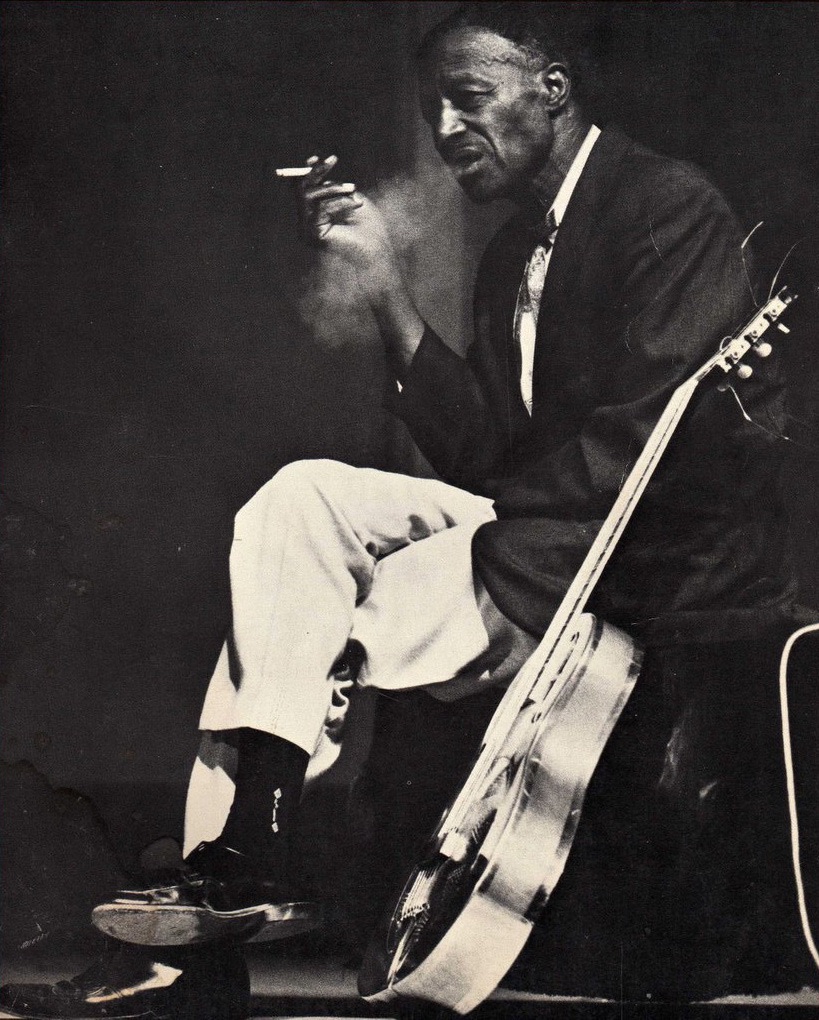
In its structure, the blues songs reflect in their vocal, instrumental, and lyrical style, expressing the melancholy and the yearnings of the African-Americans who suffered slavery and segregation for more than 200 years in the United States. Blues songs are built around a warped pentatonic scale and a song structure derived from call-and-response singing.
As the circumstances of perseverance have changed over the past century, the blues tradition has endlessly reshaped itself. It lives in much of the electronic music being made today, in certain forms of jazz, and in the visionary voices of many hip-hop emcees.
“This is one of the fundamental distinctions between blues and black music that came before it. The singer is so involved that in many cases his involvement becomes both the subject and substance of the work. . . . In the context of its time and place it was positively heroic. Only a man who understands his worth and believes in his freedom sings as if nothing else matters.”
Robert Palmer, Deep Blues: A Musical and Cultural History of the Mississippi Delta
The Mandekan language that is spoken in parts of West Africa has a term, yere-wolo, that essentially means, “to give birth to oneself.” It suggests the discovery of one’s own power, one’s essential quality, and the manifestation that follows this discovery. There’s no English equivalent, but this notion has become central to our American identity, largely thanks to black music.
Origins in African Music & Work Songs
The musical sources of the blues included religious songs, broadly called spirituals, which were songs on Christian themes that frequently also addressed aspects of the lives of slaves. The Church also became a focus point in poor rural communities. The black community could access some measure of education in church school and acquire status as community leaders.
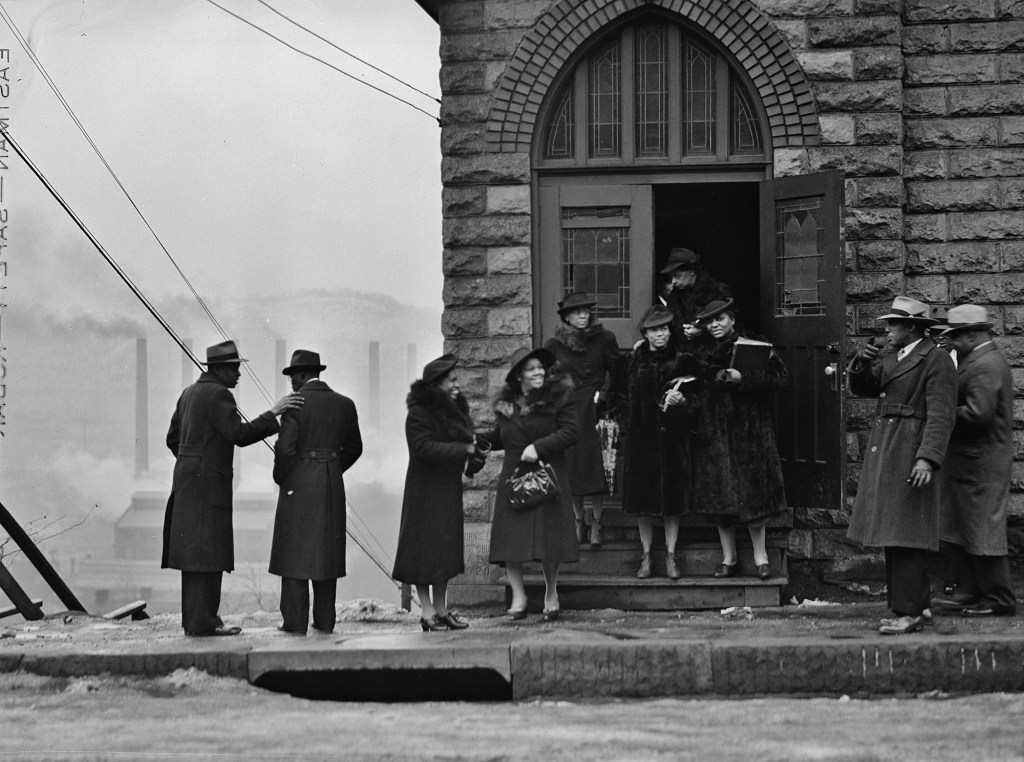
Other important sources for blues songs were the work songs and field hollers from the days of slavery, and ballads and dances from music hall-type entertainments. Church services were a source of strength and a place of shared experiences while providing an outlet for emotions through song.
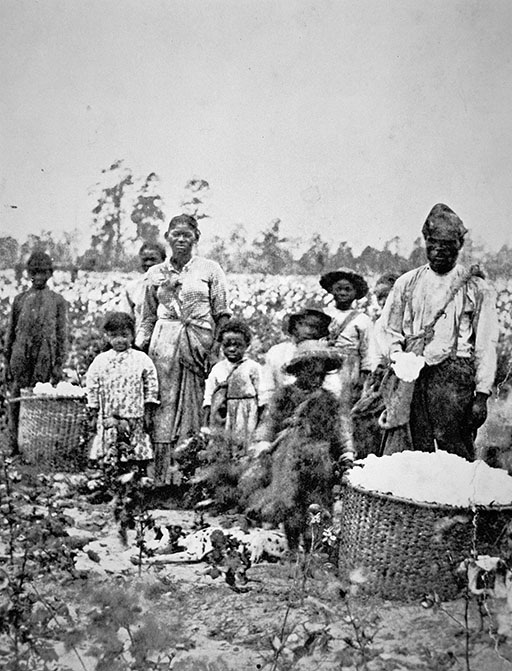
Gathering together to listen to music and also to dance created communities with a strong sense of identity. Music provided a channel for expressing every possible emotion from shared joys to communal desperation. It cemented the community.
How Nashville got its nickname
In the years that followed the Civil War, Nashville got its nickname as ‘Music City’. In 1871, The Fisk Jubilee singers formed, and the troupe is credited with saving Fisk University from financial ruin because of the profits made touring. The group toured along the Underground Railroad path in the United States, as well as performing in England and Europe. They performed slave songs, often in front of famous audiences.
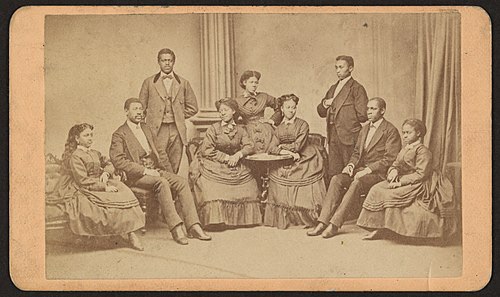
In 1872, they were invited to perform for President Ulysses S. Grant at the White House. In a tour of Great Britain and Europe in 1873, the group performed for Queen Victoria, and they drew praise from Mark Twain. Queen Victoria was so impressed the story goes, that she said they must be from a ‘city of music’. They returned the following year, sailed to Europe again, touring from 1875-1878 drawing rave reviews.
They put Nashville on the music map while breaking racial barriers after the Civil War.
The Rise in Popularity of the Blues music
In the decades that followed the end of the Civil War, the large-scale migration of black workers from the southern states to the northern cities, the Great Migration, created pockets of densely populated and very poor black communities within the urban areas of the cities. Prior to the Great Depression of the 1930’s, many of the migrant agricultural laborers found themselves jobs in city factories, but these were poorly paid. Displaced across the country, they mourned for their homes down south.
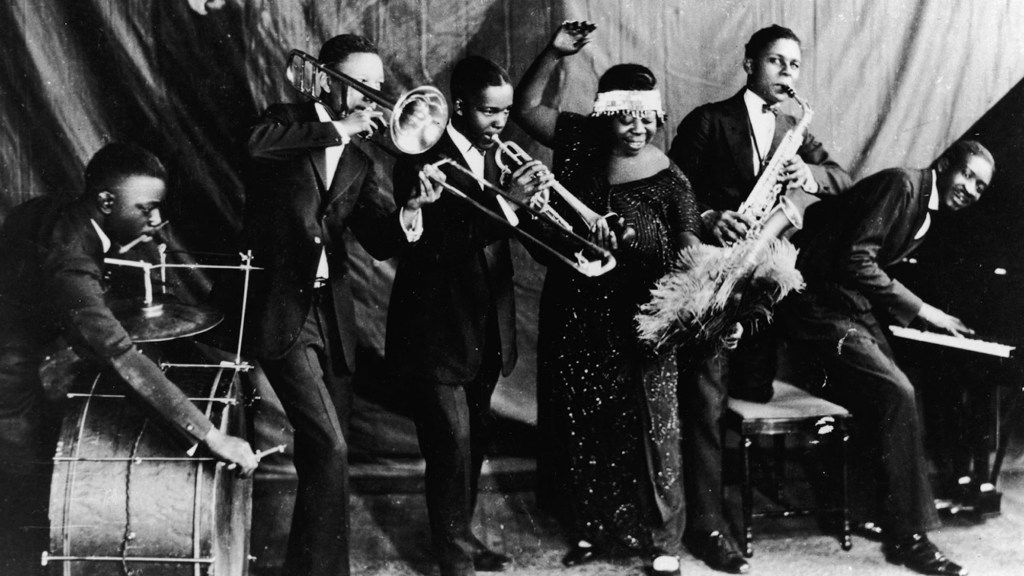
The blues began to gain widespread popularity in the 1920’s and 1930’s among both black and white audiences. This was in part due to the rise of the radio, which allowed the music to be heard by a wider audience. The first blues recordings were made in the 1920s by Black women.
Bessie Smith (1895 – 1937) was a blues and jazz singer from the Harlem Renaissance who is remembered at as the Empress of the Blues.
Through the 1920’s Bessie Smith became one of the earliest stars of recorded music and a leading figure of what came to be called classic blues (a genre dominated by African American women). Orphaned by age 9 and raised by older siblings, Smith sang for spare change on the street corners of her hometown of Chattanooga, Tennessee.
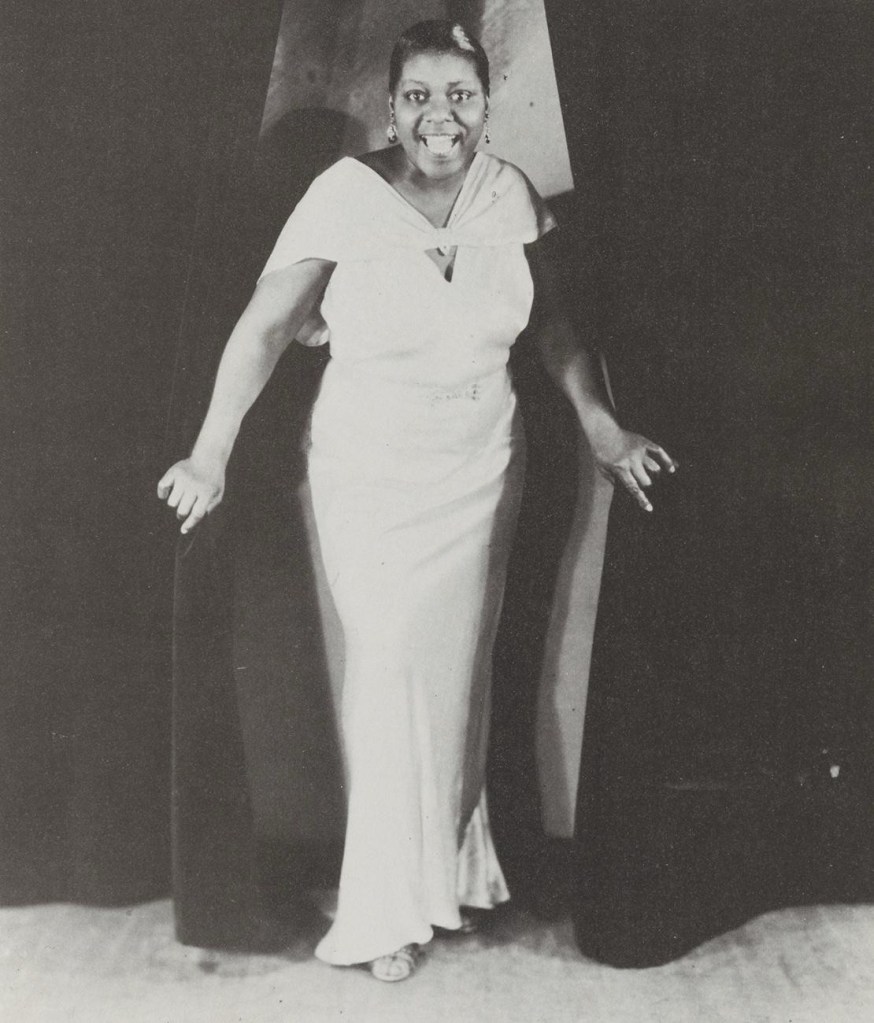
When Smith rendered a song she tapped into her experiences of hardships of poverty, racism, sexism and, above all, the ups and downs of love. Decades before hip-hop, Smith sang about the everyday reality of wanting to live life to its fullest as a young, black, poor woman—a category of person that the mainstream of America ignored with impunity.
If I go to church on Sunday
Sing the shimmy down on Monday
Ain’t nobody’s bizness if I do
If my friend ain’t got no money
And I say, “Take all mine honey”
’T ain’t nobody’s bizness if I do
—“’Tain’t Nobody’s Biz-ness If I Do,” Bessie Smith (1923)
Bessie Smith, dressed up for polite company, hurling irreverence and provocation. She wasn’t asking for space in polite society; she was reshaping the values of that society. It wasn’t interesting to her unless she could determine her own place within it.
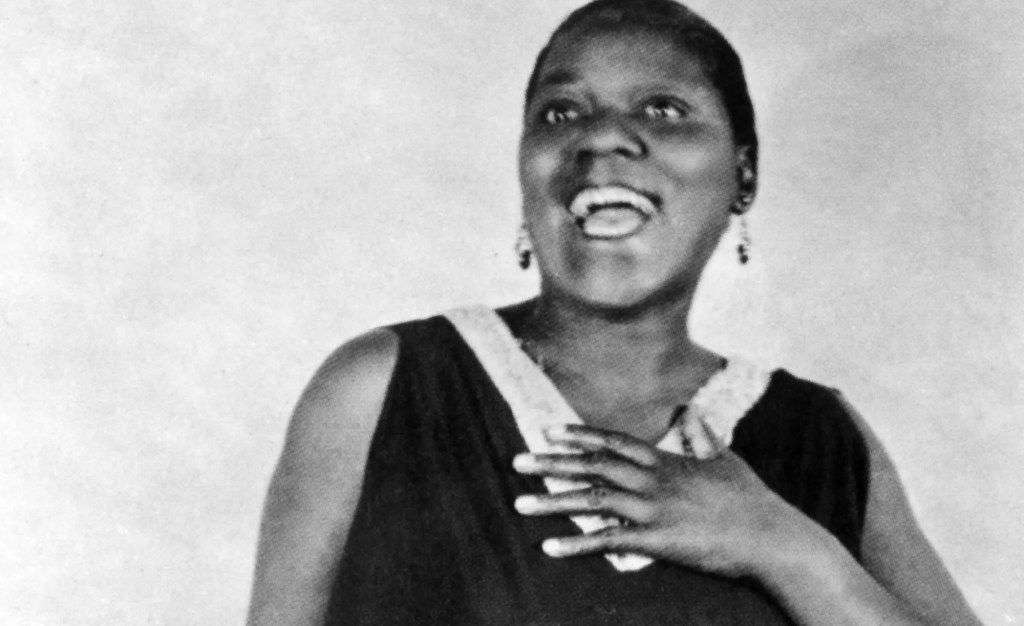
“Smith’s artistry, communicative power and public appeal anticipate that of Beyoncé, a singer whose capacity to articulate the longings, frustrations, and passions of African American women with tremendous vocal dexterity and onstage polish are a latter-day manifestation for the Empress of the Blues”
NPR
The Great Depression that followed the stock market crash of 1929 cut Smith’s career short. The other development was more cultural: more urban oriented vocalists like Ethel Waters, who sang in a sophisticated jazz style as appropriate to a concert hall as a nightclub. Traditional blues style began to seem old-fashioned as the 30’s dawned.
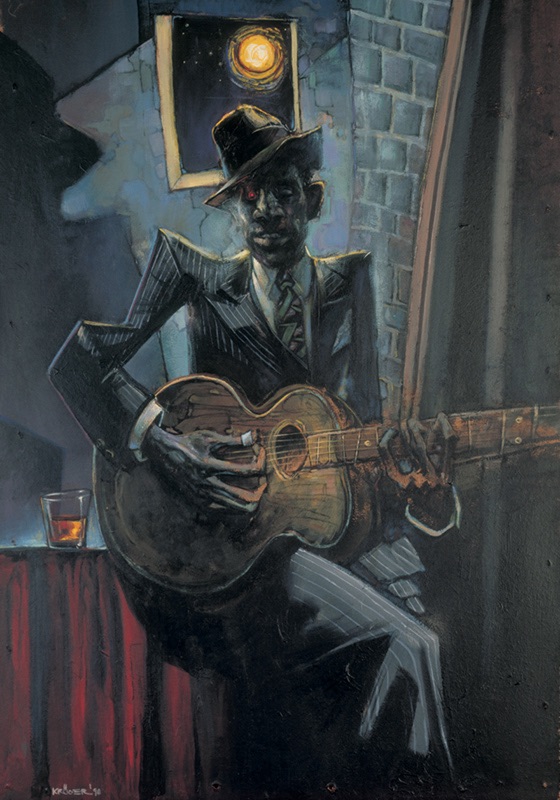
Robert Johnson
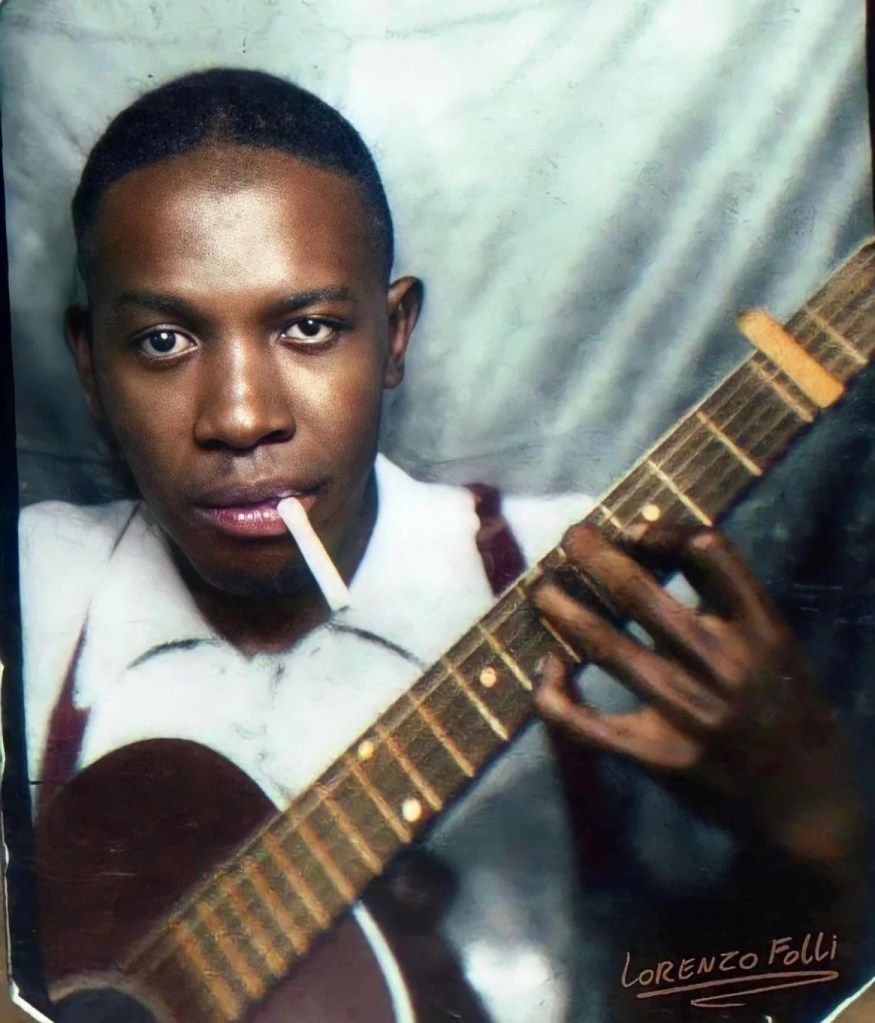
Described as “the first ever rock star” by the Rock N Roll Hall of Fame. It’s one of the 2 photos of him. After disappearing to Arkansas for six months, he came back being able to play the guitar better than anyone else which many attribute to him “selling his soul to the devil”. His recording career spanned only seven months, he is recognized as a master of the blues, particularly the delta blues, Recorded his 29 songs we have today in 2 sessions, one in San Antonio in 1936, and one in Dallas in 1937.
A collection of his recordings titled King of the Delta Blues Singers was released in 1961. The album would become influential, especially on the British blues movement. Eric Clapton has called Johnson the most important blues singer that ever lived’ bob dylan, Keith Richards and Robert plant have cited both Johnson’s lyrics and musicianship as key influences on their work. Changed the face of music then disappeared at the age of 27.
Urban Blues
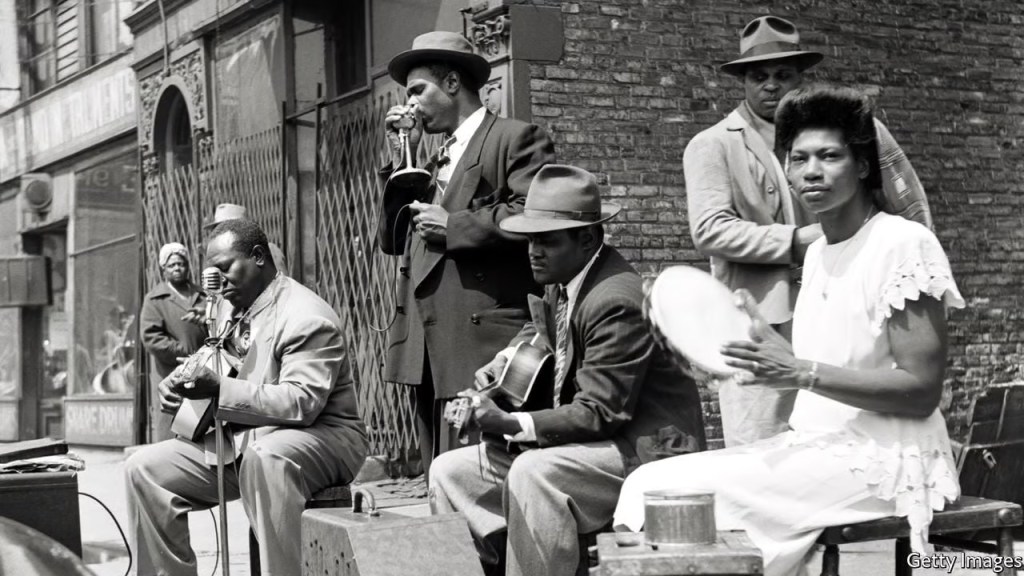
The Great Depression and the World Wars caused the geographical dispersal of the blues as millions of Blacks left the South for the North. The blues became adapted to the more sophisticated urban environment. Among the cities the blues initially took root were Atlanta, Memphis, and St. Louis. John Lee Hooker settled in Detroit, and on the West Coast T-Bone Walker developed a style later adopted by B.B. King. It was Chicago, however, that plated the greatest role in the development of urban blues. Urban blues developed when these musicians began forming groups with other musicians instead of only accompanying themselves on solo guitar.
Groups included rhythm sections with drums, bass, guitar or piano, and solo instruments. These emerging groups were loud, and the acoustic guitar could not match the volume and power of horns and drums. Simultaneously, electronic amplification was being developed to remedy this issue, and soon the electric guitar was born.
Electric Blues
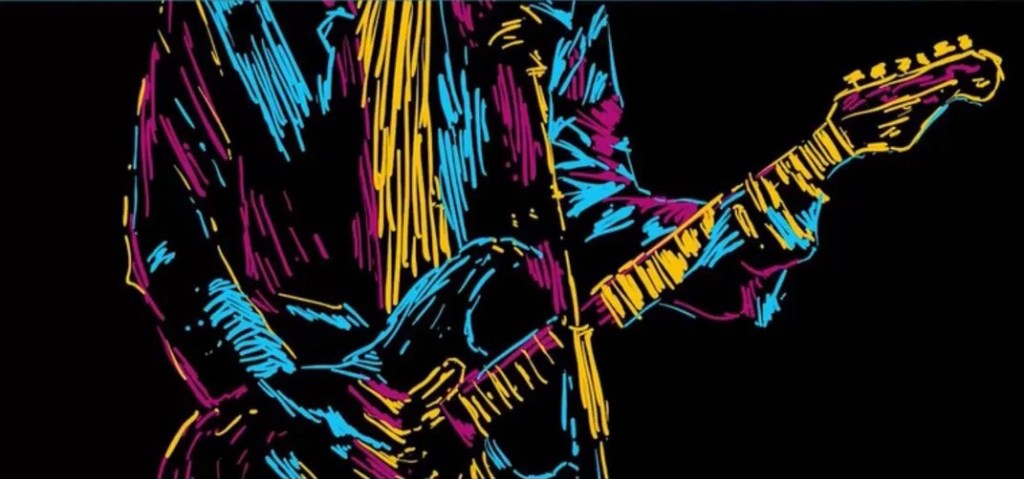
In the decades that followed, the Southern blues’ influence flowed throughout the nation, morphing into a more dynamic version of the blues, making use of the new technology of electric amplification. The electric blues in Chicago and combining with gospel to create doo-wop in black communities across the country. It fed into R&B and rockabilly, and then rock ’n’ roll.
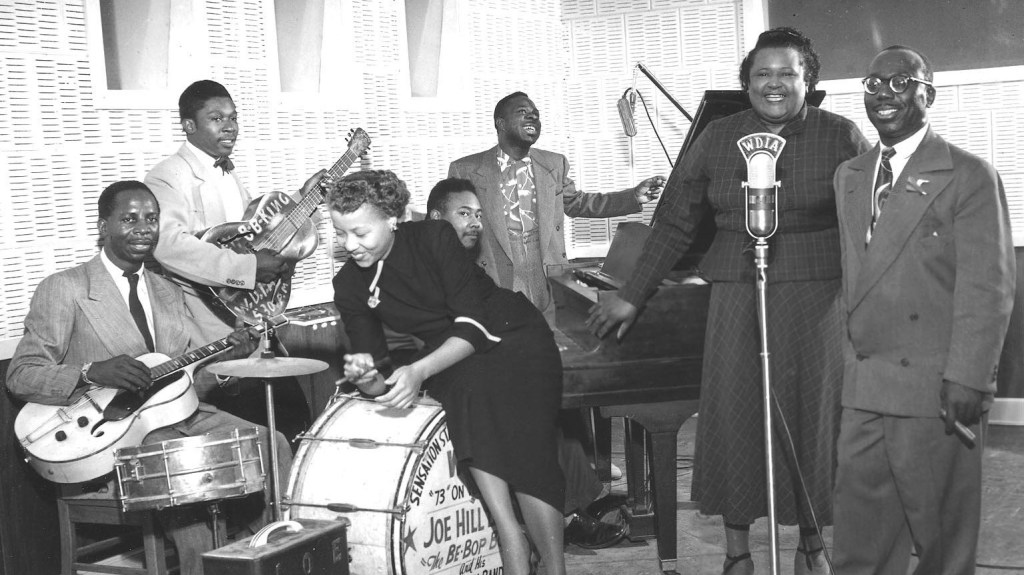
Bear Family Records.
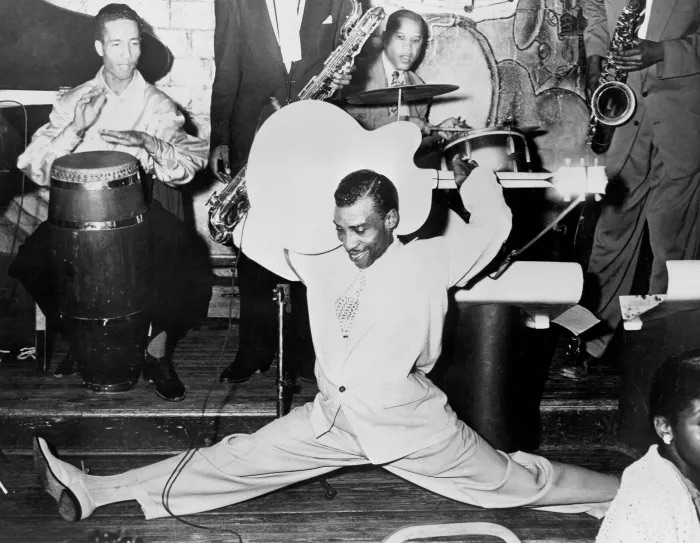
Perhaps no other piece of technology shaped 20th century popular music more than the electric guitar. The Guitar was the first instrument to be properly amplified and used by pioneers like T-Bone Walker in the late 1930s. Walker grew up playing country blues guitar and was influenced by Blind Lemon Jefferson’s long and complex melodic fills between his vocal lines. This style transferred naturally to electric guitar. His music would be very influential on future performers like B.B. King and Jimi Hendrix. The electric guitar could tell a bluesy story with its sound.
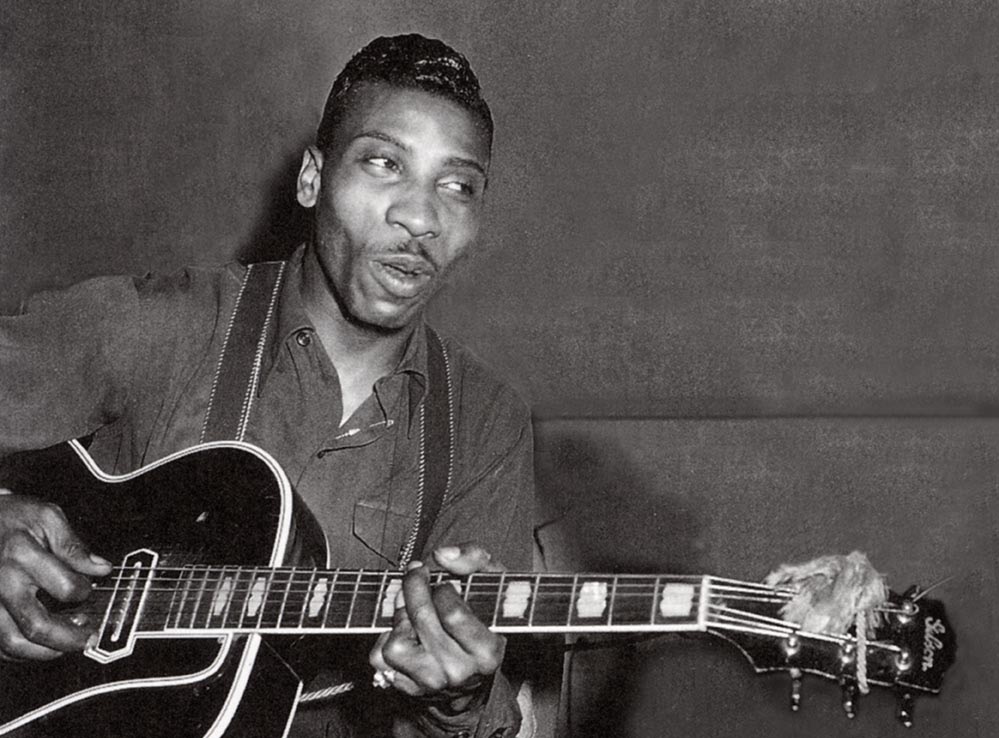
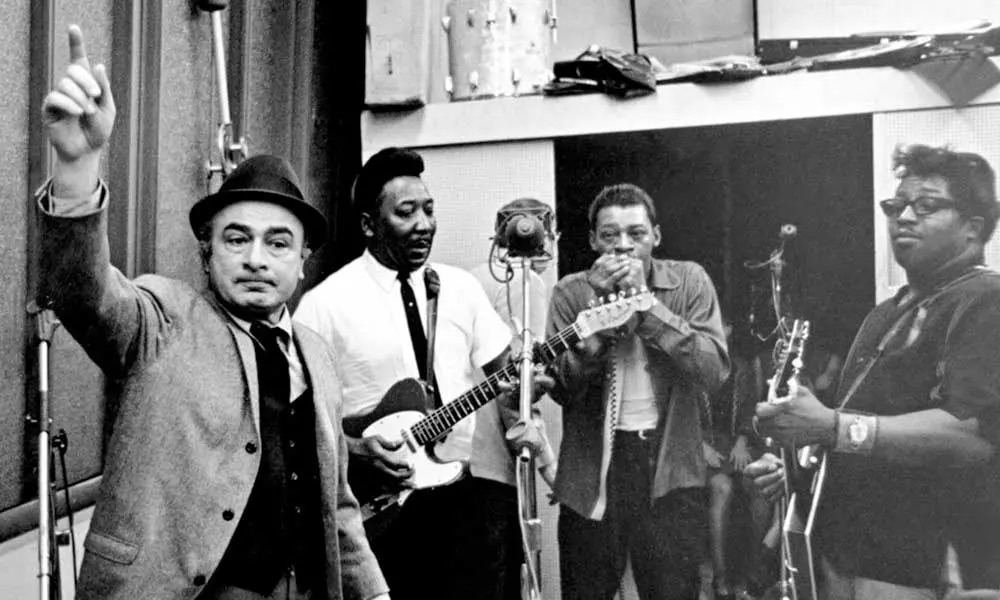
Muddy Waters was an urban blues musician whose rustic style was more closely related to his delta blues roots than many other urban blues musicians. He often utilized the sound of a bottleneck slide with electric guitar much in the way delta blues players like Robert Johnson had done on acoustic guitars, retaining much of the spirit of delta blues into his new full band electric style.
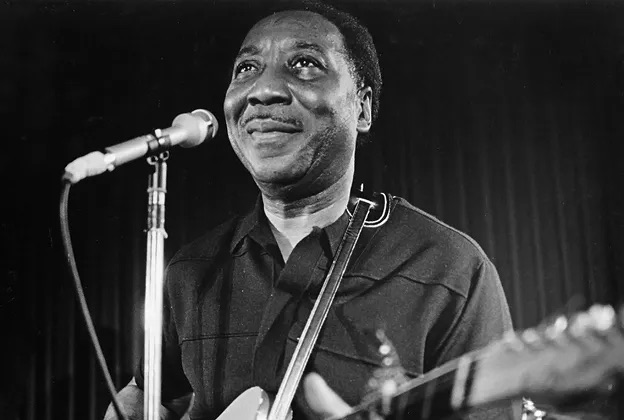
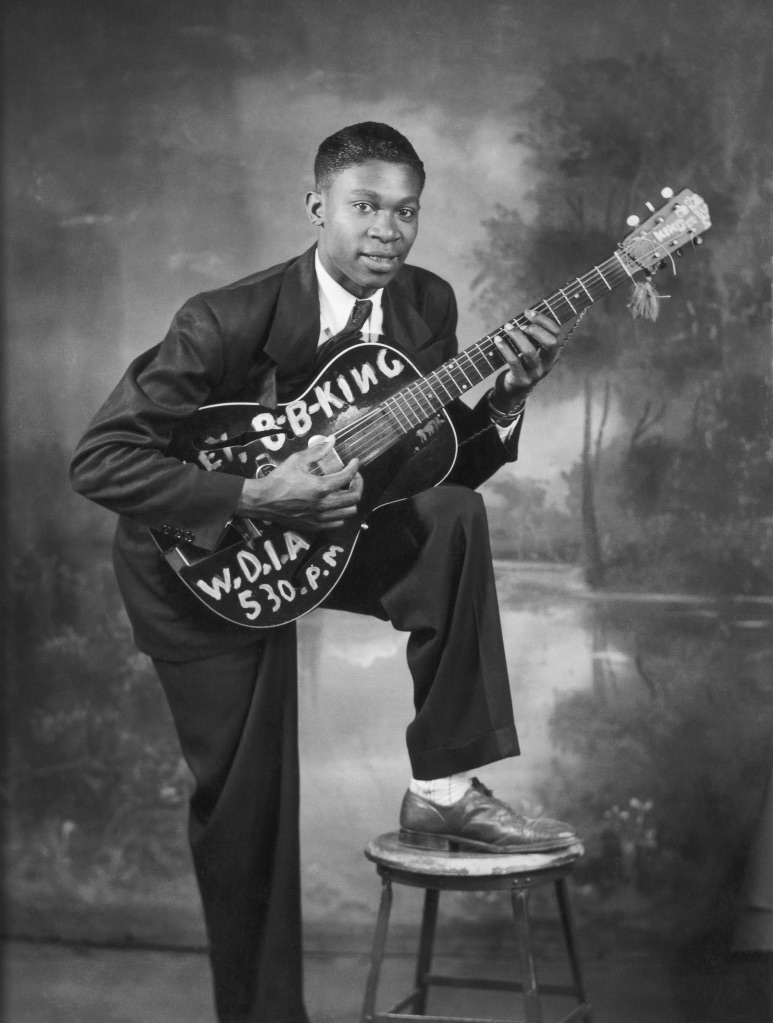
In the late 1940s and early 1950s, B.B. King was one of the best known blues musicians, and one of the most influential as well, with Eric Clapton, Jimmy Page, Jimi Hendrix, and many others citing him as a key influence. Many rock guitarists of the 1960s and beyond have emulated the sophisticated melodic work of King.
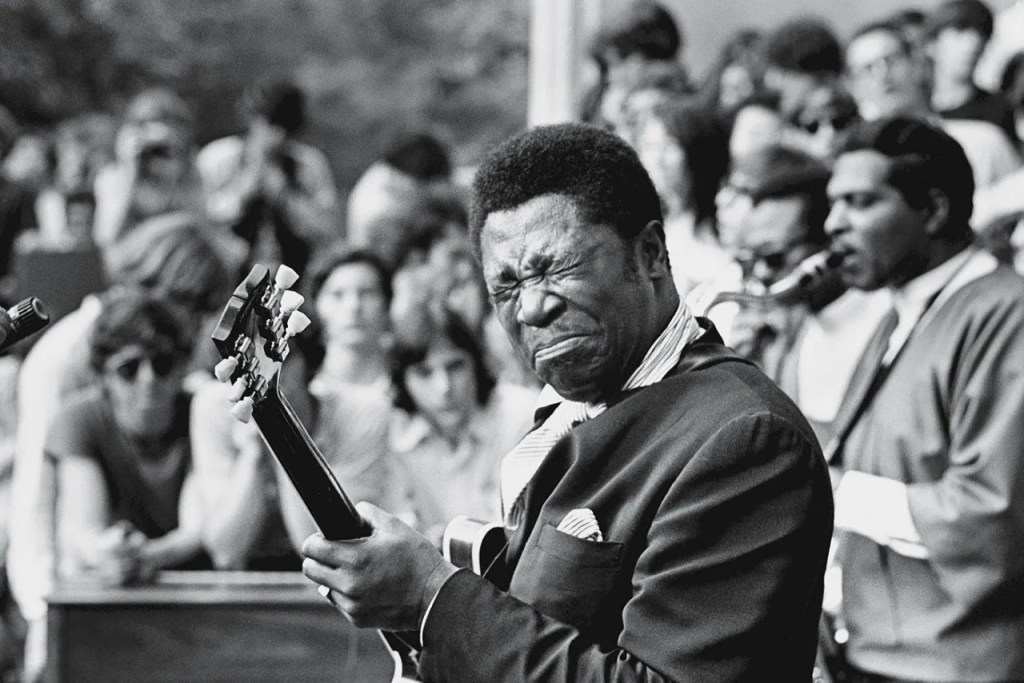
King’s approach to playing the electric guitar is based in melodic phrasing more than accompaniment work, and the guitar lines have equal importance with the vocal lines, ie. call and response. In this way, King’s guitar style can be seen an extension of his voice. The use of string bending and wide vibrato (‘shaking’ of the notes similar to vibration) resemble the sound of the voice.
Emerged as part of the blues scene where it will started: Beale street in Memphis, TN. B.B. King adapted T-Bone Walker’s style of electric guitar. Discussing where he took the Blues, from “dirt floor, smoke in the air” joints to grand concert halls, King said the Blues belonged everywhere beautiful music belonged. King earned the nickname “The King of the Blues”.
Chicago is often credited as the home of the urban blues, and, with its booming recording industry, the city’s vibrant musical environment became a draw for jazz, blues, and other musicians.
Blues Revival
In the late 1950s and 1960’s, white British rock bands discovered recordings of the great blues singers of the United States. The Beatles, The Rolling Stones, The Animals, Eric Clapton, Fleetwood Mac, Led Zeppelin and many others appropriated elements of the blues and in so doing, drove the emergence of rock. The British blues ended when Jimi Hendrix arrived from the United States to show local musicians the folly of their purist attitudes. to England and showed everyone what folly they were reall.
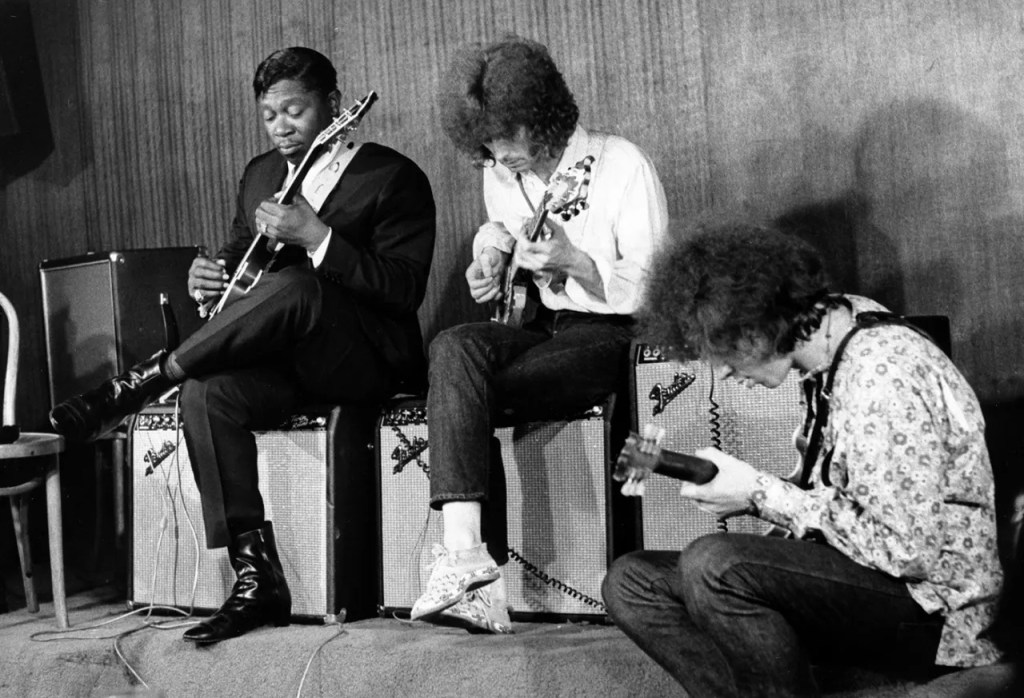
Now, many musicians do cover versions of the blues songs they have heard on record. One might argue that these dilute the essence of the blues. A different argument is that a new generation is discovering the blues, and this in itself is preserving the tradition. However, there is also a political dimension to the argument, namely that white singers appropriated music from poor black musicians and benefitted financially from it, sometimes without acknowledging their sources.
In order to fully appreciate all of the music that comes after the blues, it’s essential to know the history of where it all stems from. I would love to see a resurgence of the blues in the mainstream of modern music. With the state of the world at this current time, power can be found in the blues. “If the blues is rooted in an African American ethic of survival through grace, in a sense of self-empowerment despite denial, then its triumph as well as its tragedy is that it lives on.” –Giovanni Russonello
 BOOGIE WITH EMMA