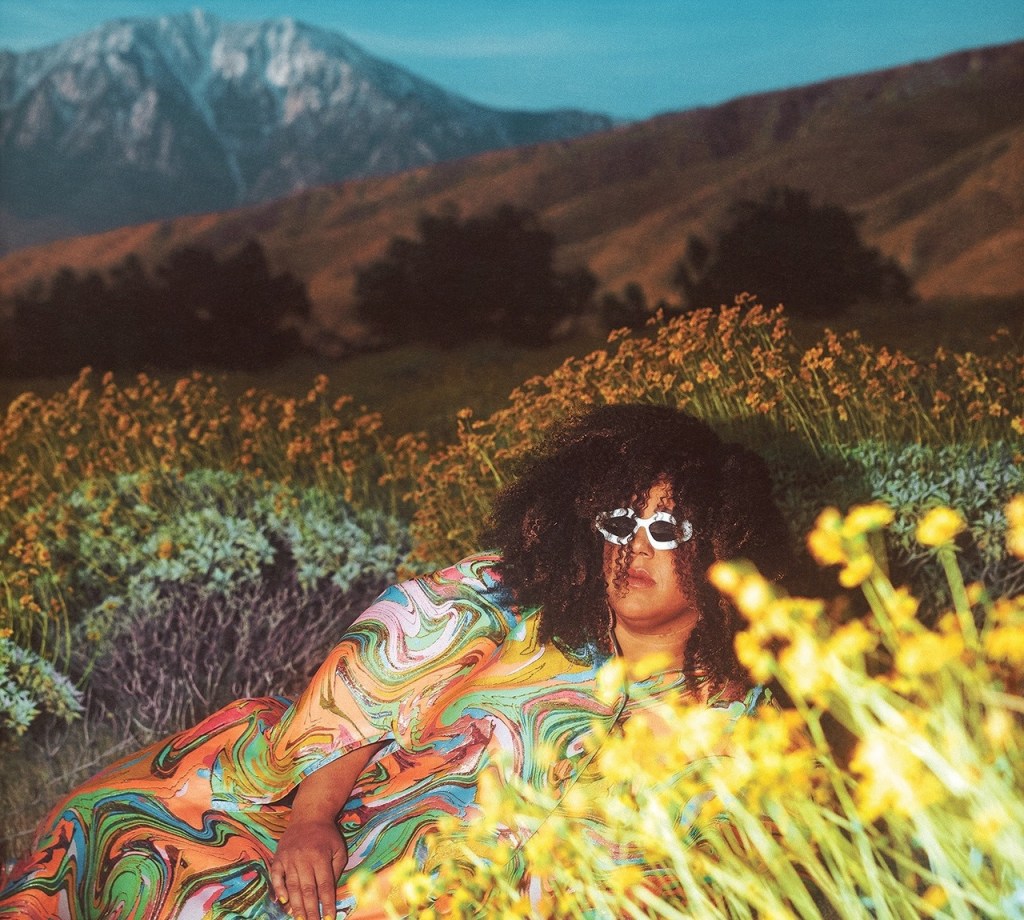
What Now?! Alabama Shakes front-woman clearly isn’t just a rockstar – she’s something way more. From her beginning with the Shakes to now, Brittany Howard has put out artistic works each containing unique sounds, genre-blending experimentation, and of course her one-of-a-kind voice. Howard’s music reflects her internal climb to higher heights within own story despite all odds stacked against her. Let’s dive into her background and explore her life’s mission: to purse her highest self with her creativity as her guide.
Growing up in Alabama both queer and mixed, in addition to being taller than average girls, fitting in was never on the table. Howard is reluctant to describe her upbringing as poor – “resourceful” is how she put it for the Guardian. “I had Tommy Hilfiger clothes that I bought out of a van and we had food,” she says. “Other times, I didn’t have hot water and the lights were shut off.”
With the release of the Shakes’ debut album “Boys and Girls” in 2012, Howard went from carrying mail and bagging groceries to playing song “Don’t Wanna Fight” at the Grammy’s, opening for Jack White and jamming with Prince. “I wasn’t prepared for the life I had,” Howard says. “I’d never had money. I never had access. No one ever gave a fuck about me publicly.” Her touring schedule meant she lost touch with her home, “because I was never there. I felt so alone.” By the time a new album was due, the constant pressure and relentless touring had left her in a deep depression.
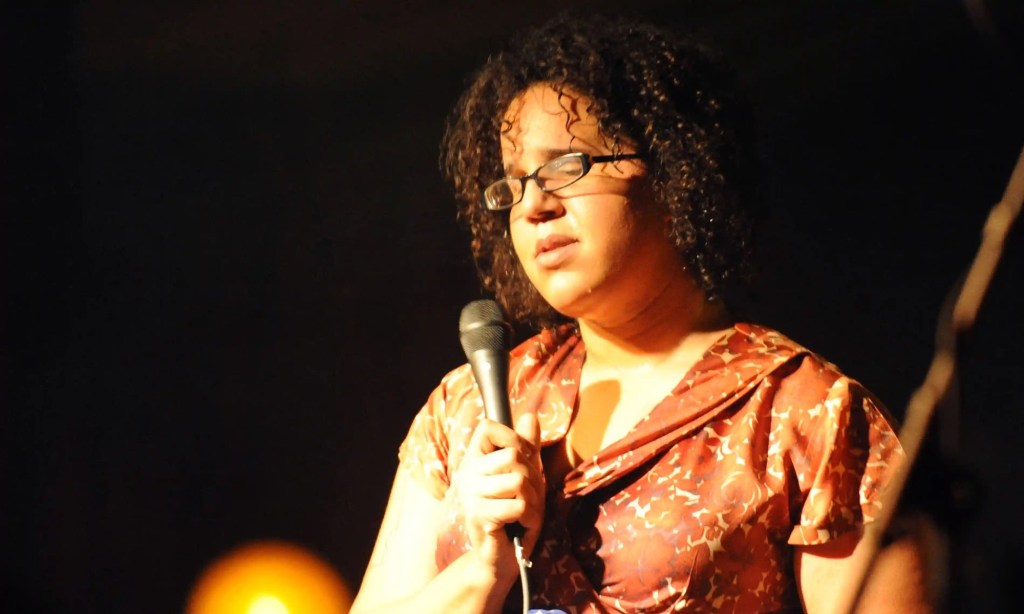
She ended up in her basement, writing what would become the band’s sublime, Grammy-winning second album, Sound & Color, which came out in 2015. It may be their last record, although Howard is quick to say the band isn’t necessarily over.
Howard’s first solo project Jaime came next, named after her older sister, who died at 13 from retinoblastoma, a cancer of the eye. It was rare among solo projects in that it didn’t feel like a diversion – it was an awakening, an unleashing for Howard. She wasn’t just a rock star; she was something more. Patterson Hood, the lead singer of the Drive-By Truckers, for whom the Shakes opened before they even had a record deal, calls her “one of the greatest artists of our time”.
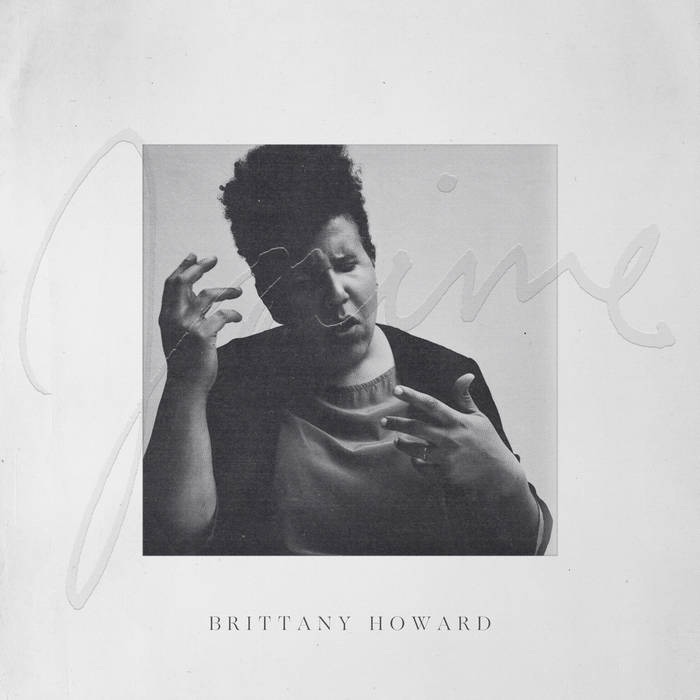
“Between this project and the last, I’ve experienced a lot of life” Howard tells the Guardian. “So much has happened and I’ve matured a lot. I’ve also mellowed out a lot, in a good way. I’m starting to have more clarity on what I want next. We’re not gonna get existential, but it’s hard not to.”
The Guardian
What Now?
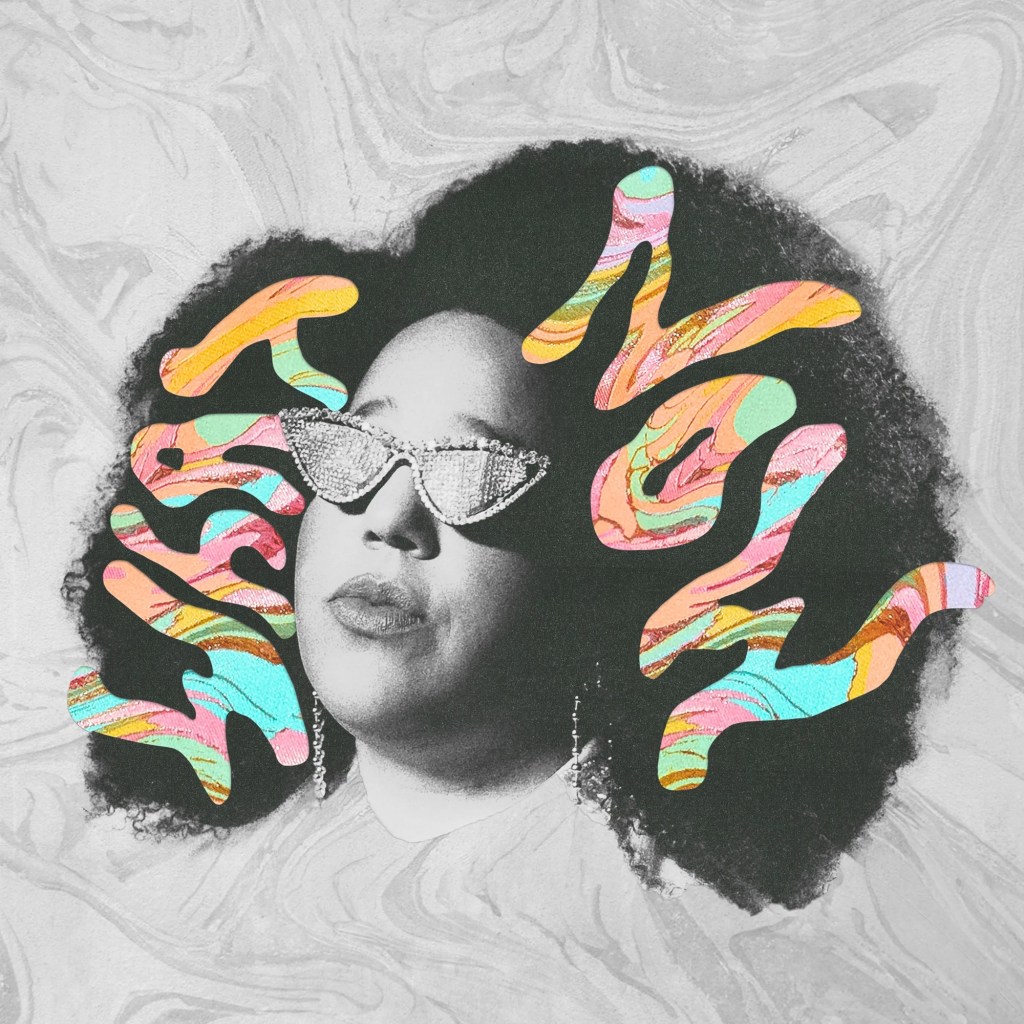
Meditative crystal sound bowls coexist with scattershot rock’n’roll, acid funk, house music, Memphis soul and free jazz trumpet on What Now. Cardboard boxes, a plate of forks and an empty water jug all served as instruments on the album. What’s next? What now?
“I feel like the only job I have in this life is to explore my own creativity,” Howard says.
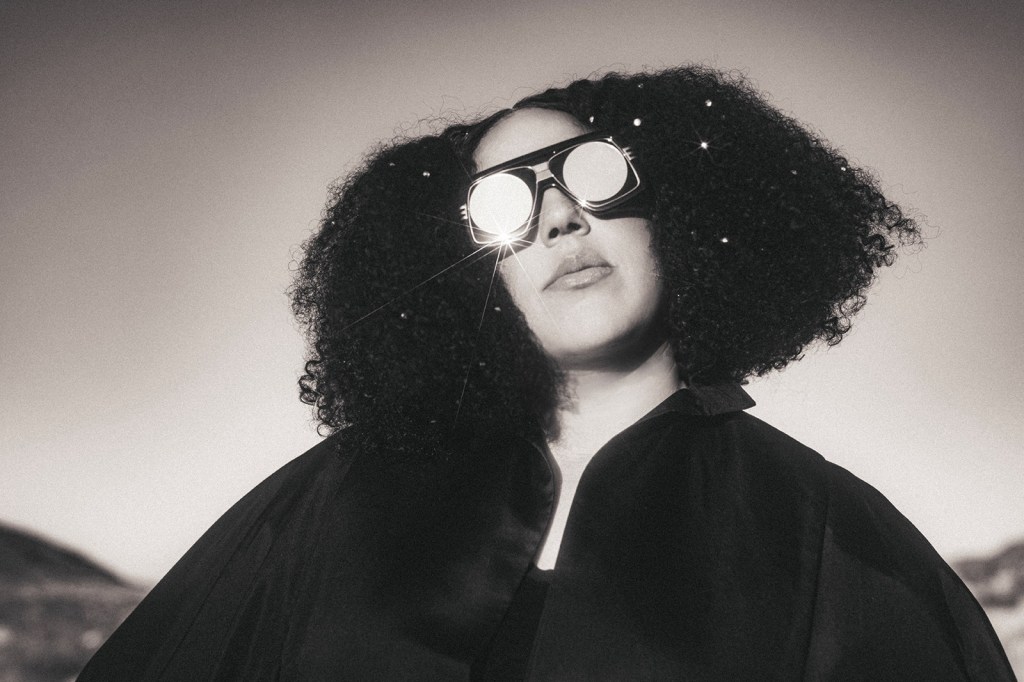
Howard and Shawn Everett did things in the recording process that Howard describes as “questionable”. Techniques and ideas that shouldn’t have worked and probably break music-school rules give the album its texture; the bin opposite the couch in her living room was employed by drummer Nate Smith (“literally playing trash!” Howard says, with a squint of delight).
The lyrics evoke one feeling while the music evokes another, mapping unpredictable human emotions. At its core, What Now just asks questions: about partnerships, about death, about a world that can be more cruel than kind.
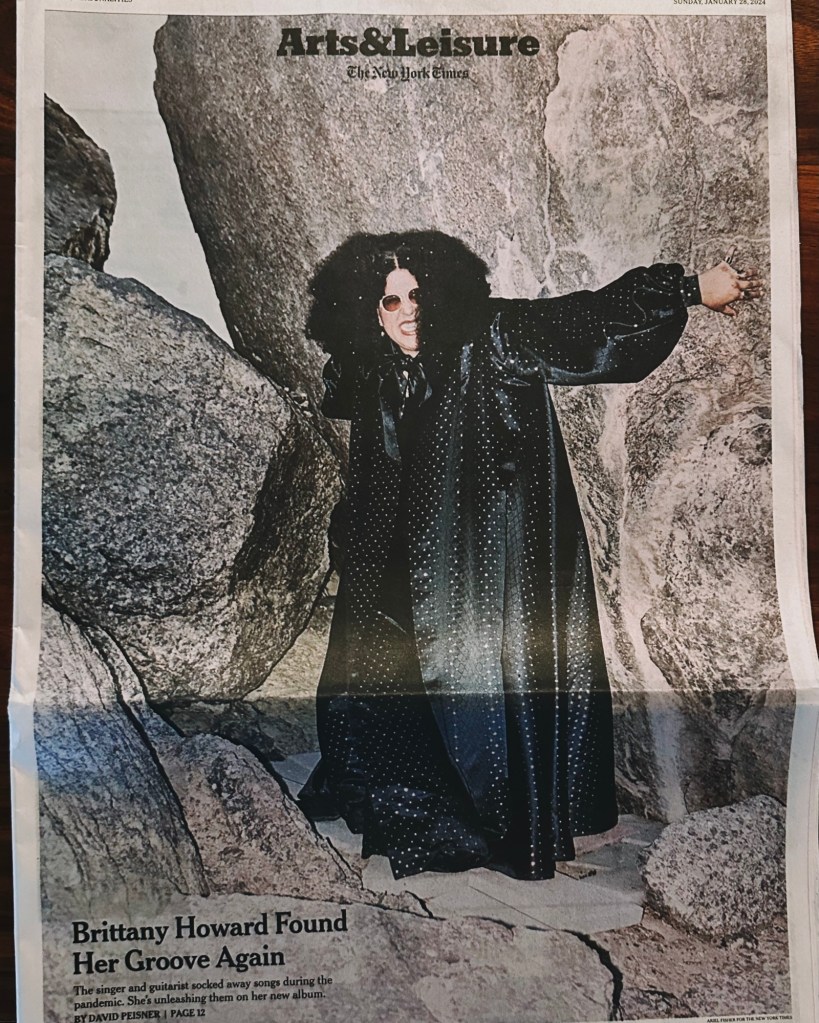
This understanding of her flaws is reflected in the very way she sings. She told the Guardian, “There are times on this album when I don’t correct my voice. It’s not perfect. It’s strange sometimes. Sometimes it’s a little off. Or maybe I’m lisping. That’s just me. That’s who I am, take it or leave it.”
A sense of finding peace in the unease lingers throughout What Now. Howard wrote the bulk of the album during the pandemic, a time she describes as “a dark gift” for someone accustomed to being on the road. She had married musician Jesse Lafser in 2019 and moved to New Mexico, but they divorced. She soon found herself falling in love again; the album’s opener, Earth Sign, was written as a “witchy idea of a prayer” to find a soulmate – and it worked. (She keeps the details of this relationship to herself.)
While the world was suffering, she was happier than she had been in a long time – maybe ever.
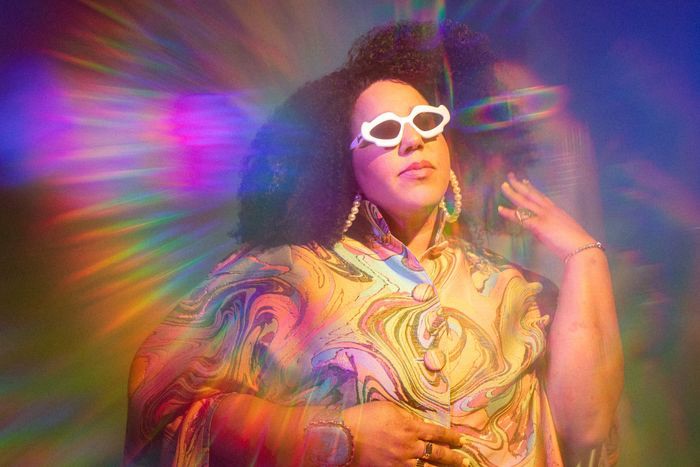
The artist has a peaceful life in East Nashville, where she lives with her pets, walks in the park, and goes fishing. She likes the normality and doesn’t want for much, short of a 1988 Dodge Plymouth, which was her first car, inherited from her great-aunt.
When she shared a meal recently with Joni Mitchell, who recently had a heart-warming performance at the Grammys. At an event honouring the songwriting legend, they talked about animals and art, not music.
“She was so lovely,” says Howard on Joni Mitchell. “And she felt just as awkward as me, like she had never gotten used to the extravagance they put on us. I really appreciated that, and appreciate her for being so authentic. She did her thing her way and I want to be like that. I want to do my thing my way. I want to be singular.”
Brittany Howard for The Guardian
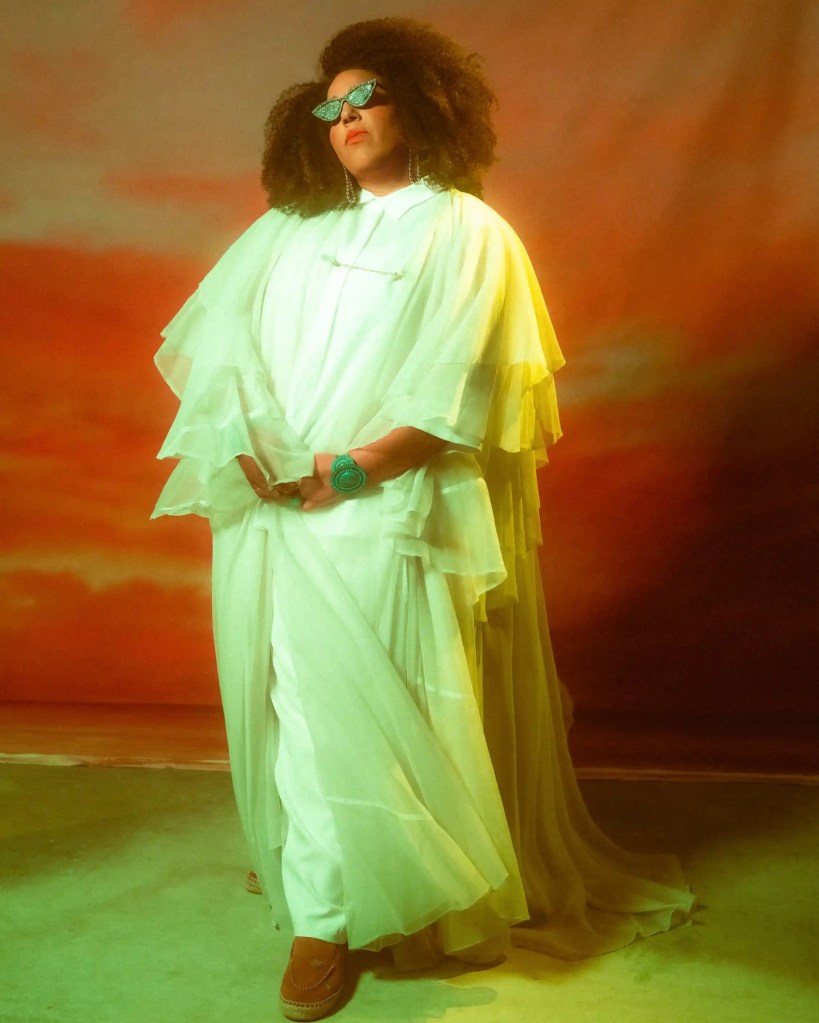
Although she longs for a more rural existence, she likes it here, surrounded by creative people and her “queer mafia” community, which includes the musician Becca Mancari. Mancari is a supporting act on the What Now tour and featured Howard on their 2023 album, Left Hand; Howard refers to them as “my little big brother”. Mancari just came out with their take on Howard’s song Short and Sweet originally played in joint project Bermuda Triangle.
“There is a spoken and unspoken understanding about what it’s like to be two queer musicians of colour in the south,” says Mancari, the Puerto-Rican-Italian Nashville artist.
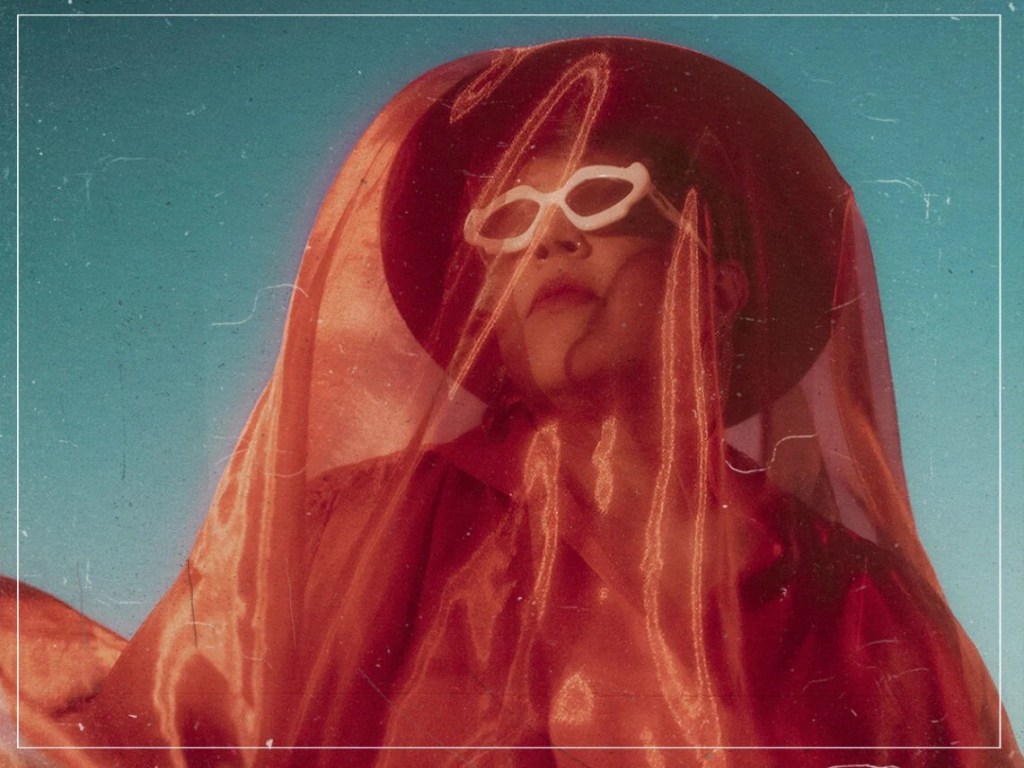
The album’s last line, wailed by Howard, is: “I can’t believe I’m all out of rainbows,” followed by the call of a trumpet. The Guardian describes it as an unresolved finish perfect for a world that doesn’t provide a path through the turmoil; we have to find one ourselves.
“That’s how chaos comes,” Howard says. “It comes all at once. And it makes you uncomfortable. That was the whole point – that all these things can exist. There’s no neat ending and this isn’t a perfect record. It’s called What Now … there’s always gonna be some shit going down. Who know’s what’s going to happen next? Those are the times to play.”
Brittany Howard for The Guardian
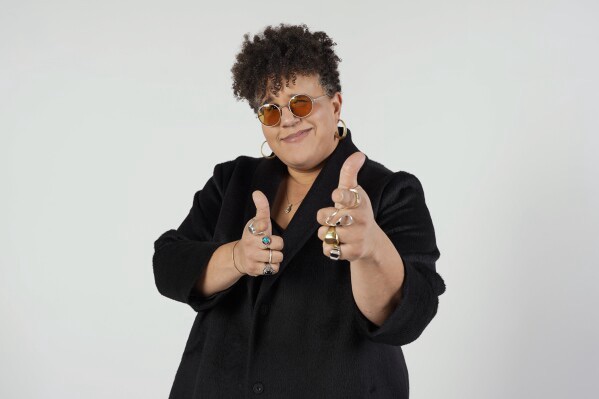
Howard is one of the greatest artists of our time. It’s clear she puts her heart and soul into her work, no matter what tries to get in her way. Her new album just dropped, I’m so excited to share it with you. If you haven’t listened, click here!
 BOOGIE WITH EMMA